
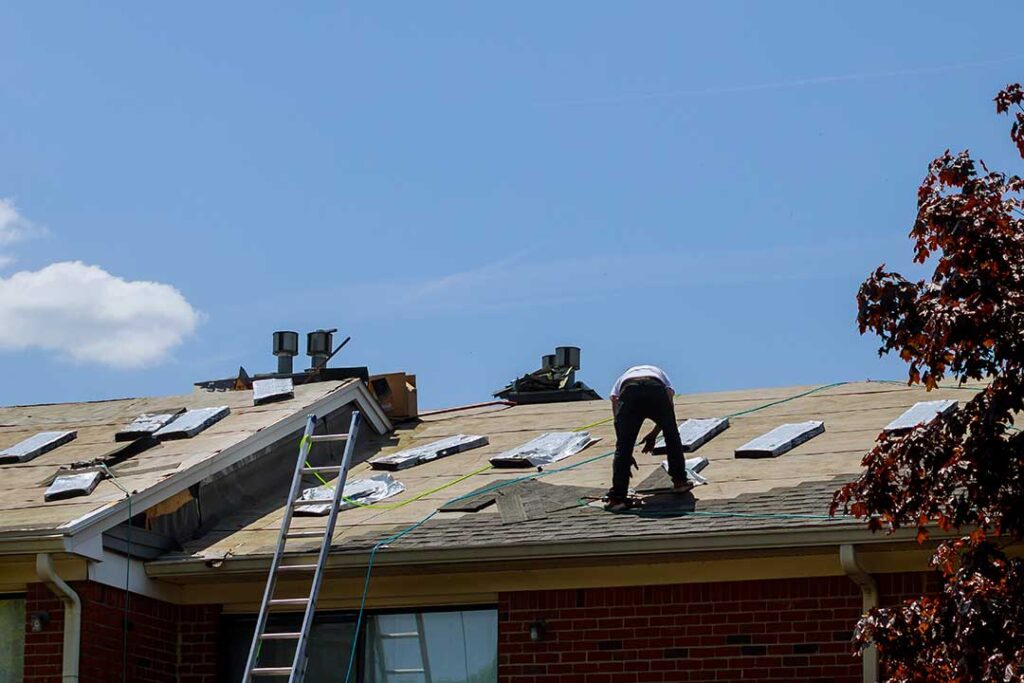
Are All Roof Leaks Obvious?
Some leaks in the home are surprisingly subtle and can go unnoticed for months. Water sometimes drips within walls, enters at the edge of attics, or even travels along beams—only ending up visible in a different room from the actual source. In neighborhoods with older homes and leafy yards common in East Greenbush, small leaks may show up as paint bubbles, faint ceiling stains, or unusual musty odors before obvious dripping occurs. Early signs should be taken seriously, especially during seasonal freeze-thaw cycles.
Does Adding More Shingles Always Fix a Problem?
Layering new shingles over old ones is a widespread myth. While local building code may technically permit a second layer in some situations, this approach can mask issues like trapped moisture, hidden rot, or failing flashing. Over time, extra layers weigh more and trap heat, both of which may shorten the roof’s lifespan—especially given the snow loads and humid summers in East Greenbush. A roof inspection should precede any recovery, not just a quick second layer.
Is Roof Maintenance Unnecessary for Newer Roofs?
Even newly installed roofs need maintenance. The climate in East Greenbush exposes roofs to shifting temperatures, frequent rain, windblown debris, and snow accumulation, all of which can stress materials over time. Seasonal cleaning of gutters, checking for loose or damaged shingles, and inspecting flashing around chimneys or vent pipes help preserve a roof’s life—regardless of its age. Neglecting these small steps can void warranties and lead to surprise repair costs.
Are All Roofing Materials Equally Durable in the Local Climate?
Not all roof materials respond well to the Northeast’s seasonal extremes. Asphalt shingles are popular due to their cost and availability, but premium materials like metal, tile, or architectural shingles all have varying life spans and weathering abilities. For example, ice dams can more easily damage certain shingle types and older installations. Choosing materials suited for regional winters and roof venting is more effective than assuming any shingle will “do the job.”
Can You Spot Roof Problems from the Ground?
It’s a common belief that visible roof problems are the only ones that matter. In many East Greenbush neighborhoods, homes with steep roofs or thick tree cover make it hard to see critical trouble spots from the sidewalk or lawn. Flashing near chimneys, small cracks around vents, or moss and lichen buildup are often missed without a closer look. Catching these problems early can prevent much larger repairs.
Does Every Roof Repair Require Full Replacement?
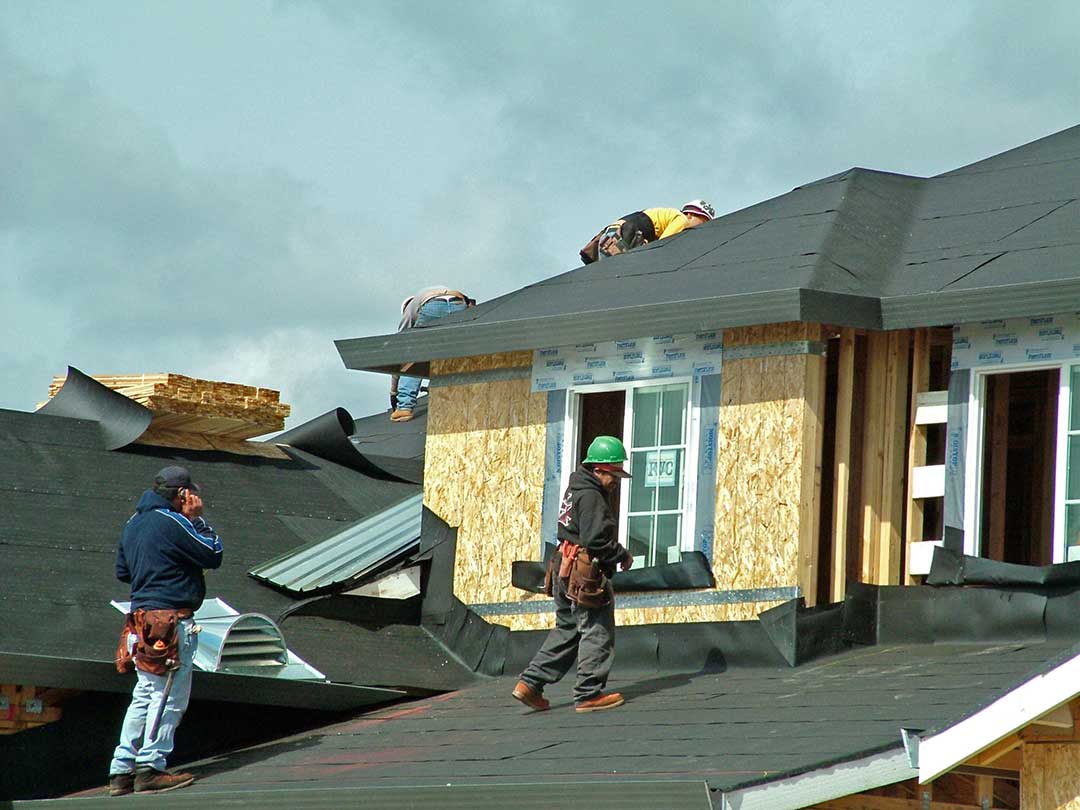
Homeowners sometimes worry that all serious roof issues require a total overhaul. While some damage does call for new roofing—such as widespread rot or multiple leaks—localized repairs can solve many isolated problems, especially if caught promptly. For example, a single damaged vent boot or a few missing shingles after a windstorm may be resolved without updating the whole roof. The key is early intervention and accurate assessment.
Are Dark Streaks or Moss Just Cosmetic?
Many residents wonder if black stains, algae streaks, or moss on shingles are only a visual concern. In reality, these growths can trap moisture, lifting shingles and accelerating wear—especially in shaded corners. Moss and algae thrive in the humid summers of East Greenbush and may indicate impaired attic ventilation, blocked gutters, or hidden leaks. Safe cleaning methods and correcting the underlying cause can prevent damage.
Do DIY Fixes Always Save Money?
Online videos make roof repairs look easier than they are. However, roofing involves risks: ladders, uneven surfaces, and fragile materials can lead to accidents or further damage. Many small leaks and repairs are manageable for handy residents (like sealing a minor crack), but widespread leaks, steep pitches, or complicated flashing often require more advanced tools and experience. Prioritizing safety and understanding what’s feasible for your situation are critically important.
How Long Should a Roof Really Last?
Lifespan estimates are often overgeneralized. Manufacturers may claim 20, 30, or even 50 years, but real-world performance depends on factors like installation quality, attic ventilation, tree debris, hail, wind, and regular care. In the East Greenbush area’s climate, a well-built and maintained asphalt shingle roof may last 18-25 years, but neglect, shade, poor drainage, or missing insulation can lower that. Monitoring attic humidity and performing seasonal evaluations helps clarify when repairs or replacement are truly needed.
