
Why Should Residents in East Greenbush, NY Prepare Their Roofs for Hurricane Season?
Preparing a roof ahead of hurricane season helps reduce the risk of costly damage, makes recovery easier, and helps protect home interiors from water intrusion. In East Greenbush, sudden storms, heavy rain, and high winds—especially remnants of hurricanes—can create conditions that stress older or unprepared roofs. Area homes vary in age and construction type, making regular roof preparedness an essential part of seasonal home maintenance.
How Can You Visually Inspect Your Roof For Vulnerabilities?
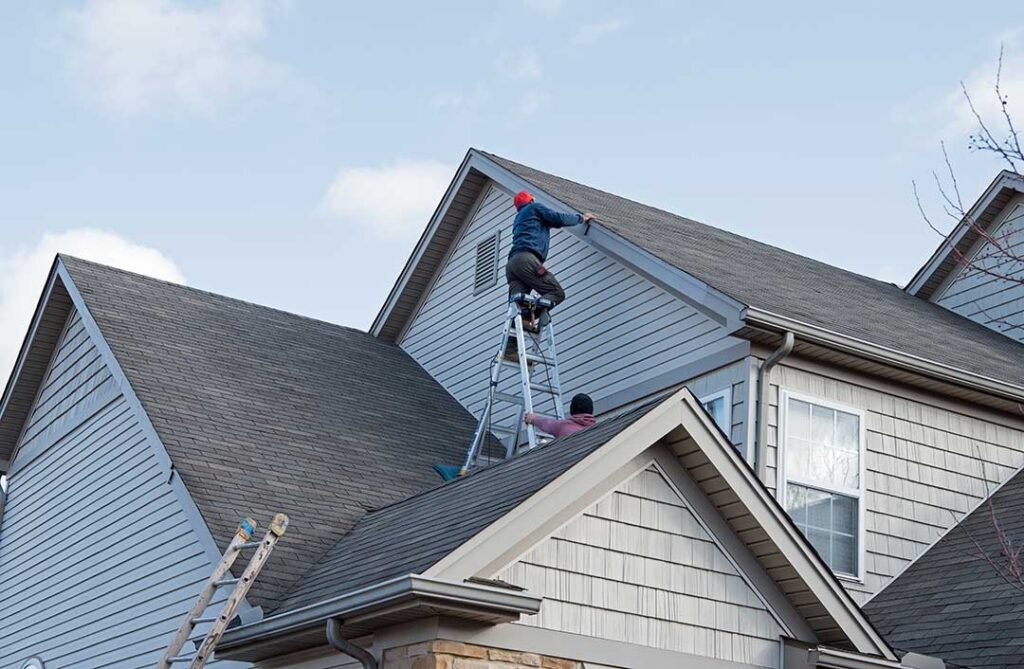
A thoughtful visual inspection can help spot weak points before the season begins. Residents can usually inspect the accessible areas of their roofs from ground level or with binoculars, focusing on visible warning signs:
- Look for missing, curled, cracked, or loose shingles, especially near ridges and edges where wind pressure is greatest.
- Check for damaged flashing around chimneys, vents, and skylights—any gap here is a potential entry point for water.
- Observe roof valleys and areas near gutters for debris buildup, sagging, or signs of wear.
- Examine soffits, eaves, and visible rooflines for evidence of rot, pests, or mold.
For those with steep or high roofs, staying on the ground during an initial check is safest. If issues are identified but full visibility is limited, it’s wise to address concerns before storm season progresses.
What Maintenance Should Be Completed Before Severe Weather Arrives?
Early summer is the right time to complete important roof maintenance tasks around East Greenbush. These actions reduce the risk of leaks and structural issues, especially when heavy winds and rain are expected:
- Clean out gutters and downspouts to ensure that water can drain freely. Blocked or overflowing gutters commonly cause water to back up under shingles, leading to leaks and wood damage.
- Trim back branches that overhang or touch the roof. High winds and saturated soil increase the risk of falling limbs and scattered debris.
- Remove moss or algae growth, which can retain moisture against roofing materials and accelerate wear. Simple hand removal or mild detergent application is often effective—avoid harsh chemicals, which may damage shingles.
- Tighten or replace loose or missing fasteners on metal elements, such as flashing or gutter straps.
Taking these steps leaves fewer weak points for wind or water to exploit during storms.
How Can You Secure Loose Roof Elements?
Loose roofing materials and rooftop objects are especially vulnerable during high-wind events. Residents should secure or remove these items before storms arrive:
- Replace missing or damaged shingles as soon as they’re found. Even a small area of missing shingles can allow wind and rain to get underneath and begin prying up others.
- Inspect ridge vents, attic fans, and satellite dishes for looseness. Tighten mounting brackets and ensure weatherseals around these units remain flexible and intact.
- Remove any unsecured decorations, solar pathway lights, or lightweight equipment from rooftops and nearby eaves. These items can become wind-borne debris during heavy storms, damaging both your property and neighbors’.
- Secure or store away large outdoor furniture if it could become airborne and strike the roof during strong gusts.
Are Roof Leaks and Water Intrusion Common During Hurricanes in This Area?
While hurricanes rarely strike East Greenbush directly, their effects—heavy rain and wind gusts—can create challenges similar to tropical storms. Water intrusion often starts at flashing points, poorly sealed roof penetrations, or areas where shingles are worn. Common signs to monitor include:
- Water spots or bubbling paint on interior ceilings or walls.
- Musty odors in attics or around ceiling fixtures.
- Deterioration or discoloration in attic insulation, which may indicate slow leaks.
Early detection means less repair work and fewer complications with home insurance, which often hinges on demonstrating proactive maintenance in storm-prone regions.
What Role Does Attic Ventilation and Insulation Play?
Proper attic ventilation and adequate insulation help prevent heat and moisture buildup, which can weaken roofing material over time. During storms, this balance reduces the risk of water vapor condensing beneath the roof deck and causing hidden mold or wood rot:
- Check that attic vents are clear of obstructions—bird nests, leaves, or blown debris can block ventilation.
- Inspect insulation for signs of dampness or flat spots. Replace water-damaged material and ensure coverage meets recommended depths for local winters, as improved insulation can also guard against ice damming when cold follows a storm.
A well-sealed attic helps keep roofing materials stable and reduces the chance of failure during wind-driven rain.
Are There Local Roof-Related Regulations or Guidelines To Consider?
While East Greenbush typically follows New York State building codes, always check if local or neighborhood-specific rules affect what homeowners can do, especially regarding roof anchors, permitted materials, or visible repairs. Some communities may restrict certain upgrades or additions, such as impact-resistant shingles or storm straps.
Consulting the municipality’s building department or their published guidance is helpful for those making substantial repairs or upgrades, particularly where safety is concerned.
What Common Mistakes Do Homeowners Make Before Hurricane Season?
Some preparation habits can undermine efforts or create new risks. Among the frequent missteps:
- Overloading gutters with gutter guards or screens that aren't properly secured can cause them to detach during winds.
- Using temporary patching materials that are not rated for outdoor conditions—tape and roof cement applied incorrectly often fail under repeated wet-dry cycles.
- Overlooking small leaks or cosmetic shingle damage, which may rapidly worsen under wind-driven rain.
A careful, measured approach—basing repairs on visible conditions, not just age or appearance—prevents many surprises.
What Emergency Supplies Should Be Kept On Hand?
Though nothing replaces solid roof maintenance, having basic supplies available can help residents respond if unexpected damage occurs during a storm or its aftermath:
- Heavy-duty tarps and fasteners to cover exposed roof areas if shingles go missing.
- Plywood sheets to temporarily board over broken windows or gable vents.
- Flashlights, batteries, and backup lighting for safe inspection after outages.
- Sturdy ladder and work gloves for post-storm assessments, but always prioritize safety and structural stability when surveying for damage.
Having these items ready saves valuable time if temporary protection is needed between storms and repairs.
