
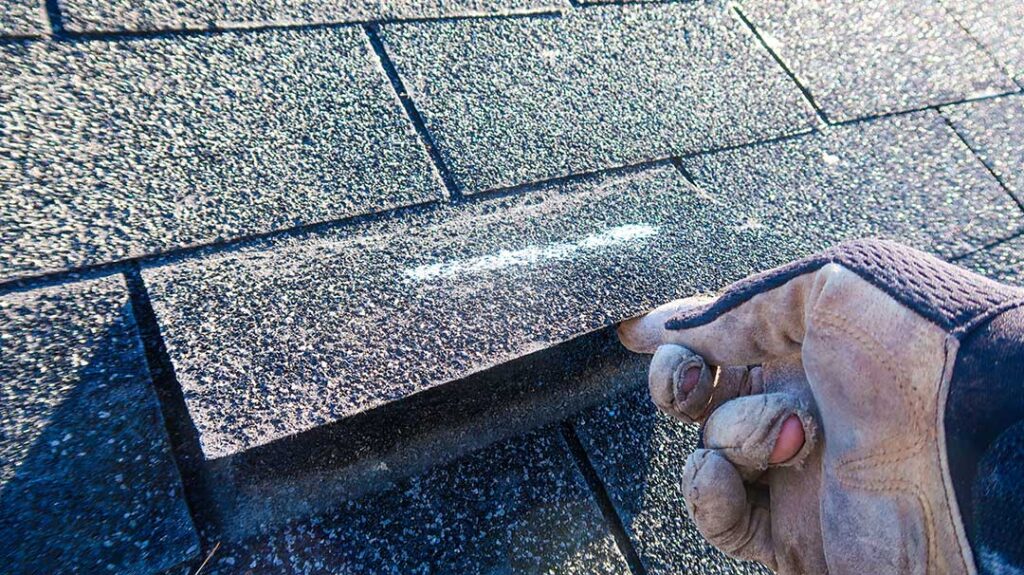
How Does Roof Color Affect Home Temperature?
Roof color makes a noticeable difference in how much heat a home absorbs. In East Greenbush, winters can be long and cold, and summers are often warm but not extreme. Light-colored roofs reflect more sunlight and can keep attics noticeably cooler, while dark-colored roofs absorb more heat and can raise interior temperatures by several degrees on sunny days. For homes in the area, a mid-tone or darker roof can slightly help with winter warmth, but attic insulation and ventilation matter more for comfort year-round. Those with little attic insulation may notice a bigger difference from color choice.
What Roof Colors Complement Local Home Styles?
Traditional homes in East Greenbush often feature neutral siding, such as tan, gray, or white, with shingle roofs. Here, earthy tones—charcoal, brown, slate, and weathered wood—blend well with the wooded environment and the region’s classic home designs.
For brick or red-toned siding, dark brown or black roofs are a common sight, providing strong contrast. Newer neighborhoods with vinyl siding may opt for more varied colors, but muted greens, deep blues, or rustic reds typically coordinate best with the established look of the area.
How Does Roof Color Impact Curb Appeal and Resale Value?
A roof color that harmonizes with the rest of the home’s exterior presents a finished, cared-for look. In East Greenbush, homes with visually compatible roof and siding combinations tend to appear well-maintained and may have a slight edge with buyers. Houses with roofs in jarring or outdated colors can stand out for the wrong reasons, especially in cohesive subdivisions.
When unsure, neutral roof colors are safest for resale because they adapt well if siding or exterior trim is changed in the future. Dramatic colors are rarely chosen in local real estate transactions unless the entire exterior design plan supports them.
Which Roof Colors Show or Hide Moss, Algae, and Stains?
Shaded areas common in East Greenbush, especially near trees, can contribute to algae or moss growth on roofs. Dark-colored shingles hide these stains better than lighter options. Medium and dark grays or browns tend to mask common streaks caused by falling leaves or rain runoff. Light roofs can show dirt, dark streaks, and organic growth more quickly, leading residents to notice exterior maintenance issues sooner.
Will Neighborhood or HOA Guidelines Affect Choice?
Some neighborhoods or homeowners’ associations in East Greenbush have rules or suggestions about acceptable exterior colors. Local covenants may require color approval or prohibit especially bright, unusual shades. Reviewing these policies before selecting a color helps avoid conflicts or unexpected costs.
If there are no formal controls, area homeowners often look to neighboring houses for inspiration, aiming for harmony rather than uniformity. Dramatic changes, such as shifting from a brown to a red roof, can become a talking point in close-knit communities; more subtle updates usually go unnoticed.
How Can Residents Use Samples to Choose Confidently?
Looking at small samples indoors rarely matches the effect of a full roof under natural daylight. Here are some practical steps:
- View several large samples outdoors at different times of day—sunrise, midday, and sunset—in both cloudy and sunny weather.
- Hold samples against the home’s siding to see how colors blend or contrast.
- Walk across the street to get a sense of how a color will look from a distance, especially on homes with visible roof slopes.
Neighbors' homes can also serve as real-world samples. Observing how roof colors appear after several years can help avoid shades that fade prematurely or become outdated.
Are There Common Misconceptions About Roof Color?
Many believe only dark roofs suit colder climates like East Greenbush, but insulation and ventilation have a bigger impact on energy bills. Roof color can help, but it is not the main determinant of comfort. Another misconception is that bold or unique colors will increase curb appeal, but area buyers generally prefer roofs that blend with established local styles.
What are Some Overlooked Factors?
Small details can make a big difference in satisfaction:
- The color of gutters, trim, or shutters can influence which roof shades appear harmonious.
- Sun reflection from a light-colored roof may be noticeable to upstairs windows or neighbors.
- Some shingle products now come with algae-resistance or color-protection features, valuable in regions with frequent rain and tree cover.
- Trees may lose leaves in fall, letting in more light; roof color might look quite different from summer to winter.
Taking these aspects into account leads to choices that keep homes attractive year-round, and reduces surprises after installation.
