
How Does Sun Exposure Affect a Roof in East Greenbush, NY?
Sunlight is a major factor in how long a roof lasts in East Greenbush, NY. Though the city doesn’t experience year-round intense heat, UV rays still impact roofing materials over time, even during cool or cloudy days.
Sun exposure gradually degrades roofing materials by breaking down their chemical structure, leading to visible aging, loss of flexibility, and weakening protection.
What Are the Main Ways Sun Exposure Damages a Roof?
Sunlight affects local roofs in several ways, depending on the material:
- Asphalt Shingles: UV rays make asphalt brittle, causing cracking, curling, and loss of granules. Over years, the dark granules that give shingles their color and protective ability start to loosen or wash away, especially on roof sections with full southern or southwestern exposure.
- Wood Shakes/Shingles: Wood dries, fades, and splits from repeated heating and cooling. Bright sunlight can also accelerate biological growth when roofs later get wet, exacerbating rot or mold issues.
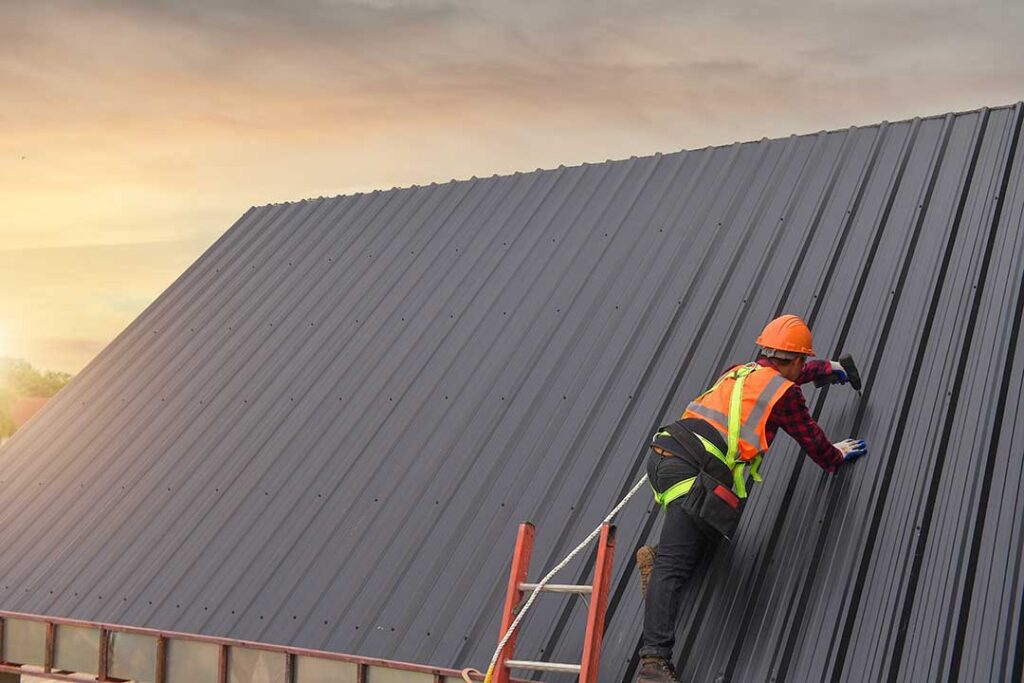
- Metal Roofs: While metal handles sunlight better, ongoing expansion and contraction from heating can lead to loosening of fasteners or the development of small gaps at seams.
- Synthetic/Composite Roofing: UV can still degrade plastic additives, causing color fading and loss of impact resistance.
In East Greenbush, roofs receive intense sun during spring and summer months, and freeze-thaw cycles in fall and winter add extra stress to already-brittle roofing surfaces.
Can Sunlight Shorten a Roof’s Expected Lifespan?
Yes, long-term exposure to direct sun can reduce roof longevity. While modern roofing materials are designed to resist UV damage, no roof is immune.
A typical asphalt shingle roof in East Greenbush might be expected to last 20 to 30 years, but areas exposed to prolonged sun—often the southwestern side—can show wear sooner. A roof with little shade can lose several years of life compared to one partially protected by trees or neighboring buildings.
Are There Signs of Sun Damage Homeowners Should Watch For?
Spotting early signs helps prevent larger issues. Signs of sun damage become more apparent over time:
- Curling, cracking, or missing shingle granules
- Wood roofing turning gray, splitting, or feeling excessively dry
- Blistering or warping on flat or low-slope roofing membranes
- Faded or chalky appearance on metal or composite surfaces
Local residents often mistake loss of color for a purely cosmetic issue, but this fading usually reveals underlying material wear.
Does the Orientation of the House Affect Sun Damage?
The direction a roof faces in East Greenbush matters. South-facing slopes are exposed to the most hours of direct sun, leading to faster aging. Likewise, low-pitch and flat roofs can heat up more quickly and retain more heat, causing additional material stress.
Homes in open neighborhoods or on hilltops tend to receive more total sunlight than those shaded by old-growth trees or taller structures.
How Do Seasonal Changes Impact Sun-Related Roof Wear?
In the city’s climate, sunlight interacts with rain, snow, and temperature swings. In warm months, the sun heats roofing surfaces, causing expansion. When temperatures dip, materials contract. These cycles of heating and cooling create opportunities for cracks and splits, especially at seams or shingles.
Winter sun, though less intense, can still damage a roof—particularly when ice melts off quickly in sunny patches, causing repeated freeze-thaw stress.
Are Certain Roof Types Better at Withstanding Sun Exposure?
Some materials perform better in East Greenbush conditions:
- Metal roofs reflect more sunlight and often have UV-resistant coatings, so they generally last longer under strong sun.
- Lighter-colored shingles and roofing surfaces absorb less heat, resulting in slower material breakdown compared to darker colors.
- Modern synthetic roofing products often include built-in UV inhibitors, but these eventually degrade as well.
Older roofs—especially those installed before current material standards—may be more vulnerable. Many households in the area still have aging asphalt shingles that show sun damage after a couple of decades.
What Maintenance Steps Help Reduce Sun-Related Roof Damage?
While sun exposure can’t be completely avoided, regular upkeep makes a difference. Area households typically benefit from:
- Removing debris and overhanging branches that trap moisture or block runoff, which can worsen UV effects when wet leaves or needles collect heat.
- Scheduling annual spring and fall visual inspections to spot early wear or loose shingles.
- Trimming trees to provide partial shade where possible, but without letting branches scrape or touch the roof.
Homeowners sometimes overlook roof ventilation’s role. A well-ventilated attic helps moderate roof temperature swings and releases heat buildup, reducing some symptoms of sun-related aging.
Is Sun Exposure a Bigger Problem in East Greenbush Than Other Causes of Roof Wear?
Sun is just one of several environmental stressors on area roofs. While frequent freeze-thaw cycles and rainstorms matter too, UV degradation is unique—it impacts every roof, even those not subjected to storm damage.
Local experience shows that roofs unshaded by trees generally need earlier repairs or replacement on their sunniest sides. Comparing different types of damage and their causes can guide individual maintenance priorities.
