

Removing leaves, twigs, pine needles, and other debris from a roof can help protect shingles, gutters, flashing, and drainage paths. The work is safest when limited to conditions that can be reached from the ground or from a stable, properly positioned ladder. Walking on a roof, handling wet debris, or working near power lines can create serious fall and electrical hazards.
In East Greenbush, NY, roof debris often builds up after autumn leaf drop, strong wind, heavy rain, and winter storms. Homes surrounded by mature trees may need more frequent observation, especially where branches overhang roof surfaces or gutters.
What debris should be removed from a roof?
Loose organic material is the most common type of roof debris. This includes:
- Leaves and pine needles
- Small twigs and branches
- Seed pods, buds, and other tree material
- Windblown paper or plastic
- Snow-covered debris after a storm
- Moss or accumulated organic matter in shaded areas
Small amounts of dry leaves are not usually an immediate roofing emergency. The concern increases when debris stays wet, collects around roof valleys, blocks drainage, or holds moisture against roofing materials.
Large branches, broken tree limbs, or debris that has damaged shingles should not be handled casually. Heavy objects can shift without warning, and disturbed roofing may expose sharp fasteners or weakened decking.
Can roof debris be removed from the ground?
Yes. Ground-based removal is generally the safest option for light, loose debris. A roof rake designed for low-slope use, a telescoping leaf rake, or a soft-bristled extension tool may allow debris to be pulled toward the roof edge without climbing.
Use gentle movements. Scraping, dragging, or repeatedly striking the surface can loosen shingle granules, bend flashing, damage membrane roofing, or disturb delicate roof edges. Pull debris downward rather than pushing it upward, and avoid directing it toward windows, doors, vehicles, or people.
Ground-based cleaning works best for:
- A thin layer of dry leaves
- Loose pine needles
- Small twigs
- Debris gathered near the lower edge of a roof
- Material that can be reached without force
A tool should never be used near overhead electrical wires. Maintain a wide clearance, and remember that a wet or metal-handled tool can increase the danger of electrical contact.
How should someone remove debris from a low roof?
A low roof or porch roof may appear easy to access, but it can still be slippery, fragile, or difficult to exit safely. If access is necessary, the surface should be dry, free of ice, and examined from the ground first.
Use a stable ladder on firm, level ground. The ladder should extend above the upper landing point far enough to provide a secure handhold, and it should not rest against loose gutters, damaged trim, or unsupported roof edges. Keep both hands available while climbing, and avoid carrying tools in a way that prevents a secure grip.
Once at the roof edge, avoid stepping on wet leaves or moss. Do not walk backward while pulling debris, and do not reach so far sideways that the ladder or body position becomes unstable. A spotter on the ground can help monitor ladder movement and nearby hazards.
If the roof is steep, multi-level, heavily shaded, icy, or difficult to access, staying on the ground is the safer choice. Falls from even a one-story roof can cause serious injury.
What tools are safe for roof debris removal?
The safest tool depends on the roof material, debris type, and access point. For loose debris, soft tools are generally less damaging than rigid or abrasive ones.
Useful options may include:
- A soft-bristled roof brush
- A telescoping leaf rake designed to reduce surface contact
- A plastic scoop for accessible gutter debris
- Work gloves with good grip
- Eye protection when branches or dry material may fall
- A bucket or ground tarp for collecting debris
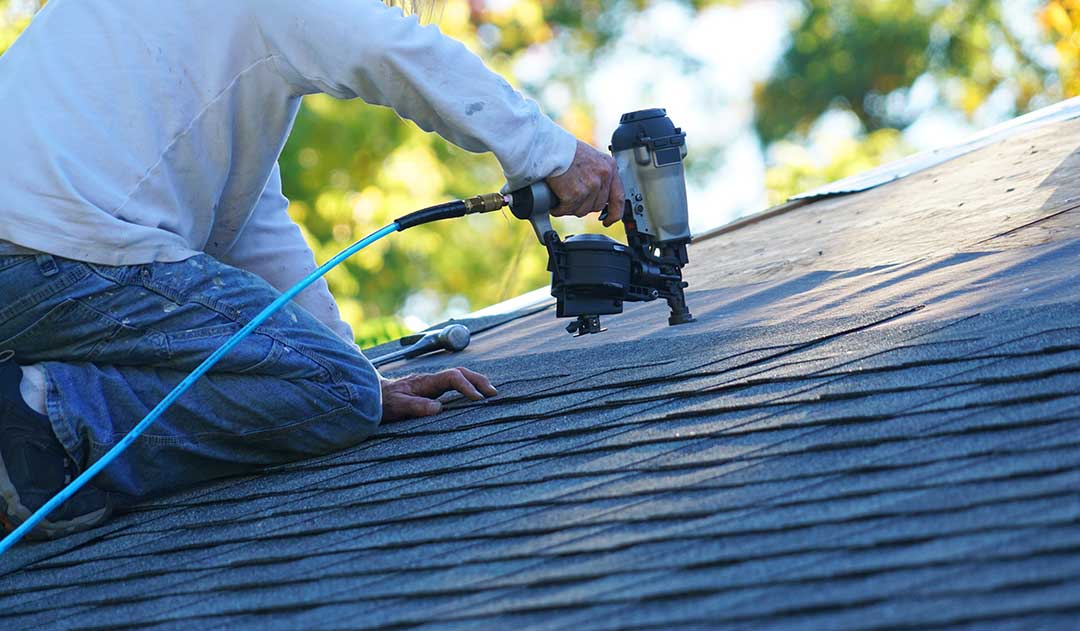
Avoid pressure washers, stiff wire brushes, metal rakes, shovels, and sharp scraping tools. High-pressure water can force moisture beneath roofing components and may remove protective granules from asphalt shingles. Metal tools can scratch coated surfaces, puncture membranes, or damage flashing.
Blowers can move dry leaves, but they may also scatter debris onto neighboring areas or lift loose shingle granules. If used, the airflow should be kept gentle and directed away from roof edges, vents, windows, and people.
How should gutters and roof valleys be cleared?
Roof valleys and gutters deserve extra attention because they direct water away from the roof. Debris packed into a valley can slow runoff and encourage water to spread beneath shingles. Blocked gutters can overflow against fascia boards, siding, windows, or foundations.
Remove loose material by hand only when the area can be reached safely. Wear gloves because gutters may contain sharp metal edges, insects, animal waste, or decomposing material. Do not lean a ladder directly against a gutter unless the ladder is designed and positioned to avoid crushing it.
After clearing visible debris, check whether downspouts are open. Water should flow freely through the system. A blockage farther down the downspout may not be visible from the roofline, and forcing a tool into a narrow passage can damage joints.
What should be done after a storm?
After strong wind, heavy rain, or a winter storm, inspect the roof from the ground before attempting any cleanup. Look for missing or lifted shingles, sagging areas, exposed underlayment, broken branches, damaged vents, and debris caught on overhead wires.
Do not walk beneath a hanging branch or near a damaged utility line. If a limb is resting on the roof, avoid pulling it free because its weight and tension may change suddenly. Storm debris can also conceal structural damage, slippery surfaces, and exposed nails.
A roof that has been struck by a large branch, shows visible sagging, or allows water into the home requires a safety-focused assessment before debris removal continues. Temporary protection may be needed to limit interior water damage, but climbing onto a compromised roof is unsafe.
How often should roof debris be checked?
A visual check every few months is reasonable for many homes, with additional inspections after major storms and during peak leaf fall. Properties with overhanging trees may need more frequent observation.
Pay particular attention to:
- Roof valleys
- Areas below large branches
- Gutters and downspout openings
- Shaded sections where moss or damp debris remains
- Roof edges near porches and lower additions
- Spots where debris repeatedly collects
Trimming trees so branches do not scrape the roof can reduce future debris, but tree work also has fall and electrical hazards. Branches near utility lines or large limbs that require climbing should not be handled without appropriate training and equipment.
Removing light debris promptly can reduce moisture retention and drainage problems, but it should never justify taking unnecessary risks. The roof, ladder, weather, and surrounding property should all be evaluated before any work begins.
