
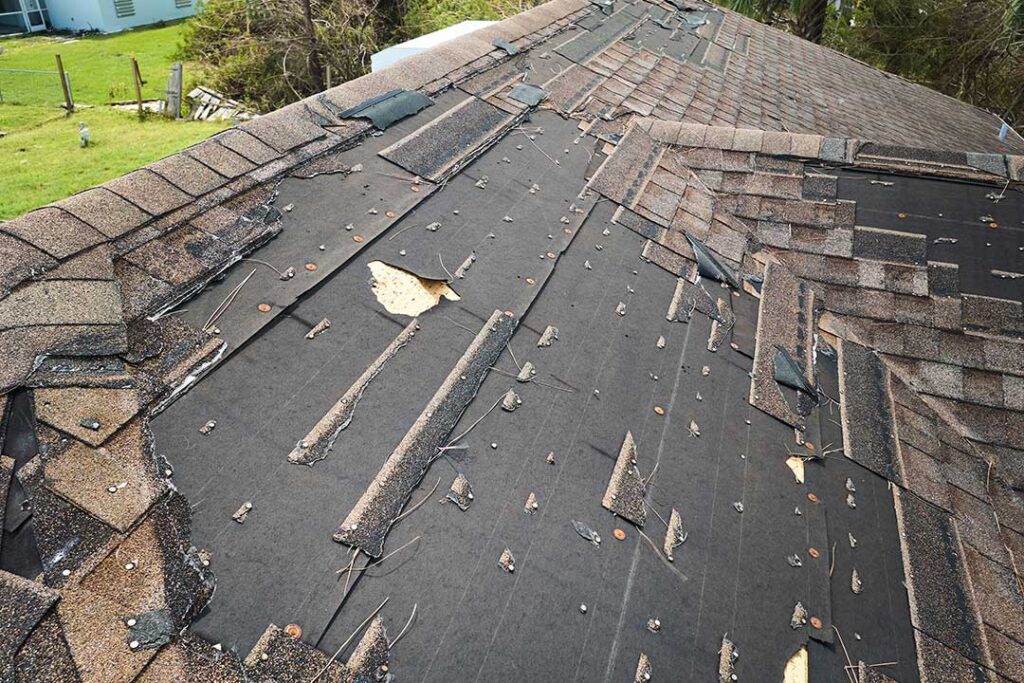
Shingle curling and cracking are common signs that an asphalt roof is losing its ability to shed water. A few damaged shingles may be repairable, but widespread distortion usually points to aging, installation problems, ventilation issues, or repeated exposure to weather.
For homeowners in East Greenbush, NY, seasonal temperature changes, snow, ice, wind, and summer heat can all contribute to roof wear. Understanding why shingles change shape makes it easier to decide whether the problem calls for monitoring, limited repairs, or more extensive roof work.
What do curling and cracked shingles look like?
Curling shingles usually bend upward at the corners or lift along the lower edge. Some curl may be subtle, while advanced curling makes the roof surface look uneven from the ground.
Cracking appears as splits through the shingle surface. These cracks may run vertically, horizontally, or in irregular patterns. They are different from normal surface texture and should not be confused with the small granules embedded in the shingle coating.
Other related warning signs include:
- Missing or loose shingles
- Bare or thin-looking areas where granules have worn away
- Dark lines or exposed fiberglass mat
- Blister-like bubbles or small surface depressions
- Shingle pieces in gutters or at the base of downspouts
- Water stains in attic insulation, roof sheathing, or upper-floor ceilings
A single damaged shingle does not always mean the entire roof has failed. The pattern, age, and location of the damage matter.
Why do asphalt shingles curl?
Curling generally develops because the shingle no longer stays flat and securely bonded to the roof. Several conditions can cause this.
Age and normal weathering
Asphalt shingles become less flexible as they age. Sunlight gradually dries and hardens the asphalt, while repeated heating and cooling cause the material to expand and contract. After many seasons, edges may begin to lift or corners may turn upward.
Roofs that have endured numerous freeze-thaw cycles can show this type of wear even if the shingles initially performed well.
Poor installation
Shingles depend on correct alignment, fastening, and sealing. If nails are placed too high, too low, or at the wrong angle, the shingle may not lie flat. Too few fasteners can also allow wind to lift the edges.
A roof installed during unusually cold conditions may not seal properly right away. In some cases, the shingles eventually bond as temperatures rise; in others, weak sealing leaves them vulnerable to wind and curling.
Inadequate attic ventilation
A hot, poorly ventilated attic can raise roof-deck temperatures and speed up shingle aging. Moisture that cannot escape may also contribute to deterioration of the roof structure and underlayment.
Ventilation problems are not always visible from outside. Signs can include excessive attic heat, damp insulation, frost on roof framing in winter, or mold-like staining on wood surfaces.
Manufacturing defects or material variation
Occasionally, shingles may have defects or inconsistent bonding from the time they are installed. If similar curling appears across a large area relatively early in the roof’s life, documentation of the installation date and product information may be useful.
What causes shingles to crack?
Cracking can result from both environmental stress and installation conditions.
Thermal movement is a major factor. Shingles heat up in direct sun and cool rapidly after sunset or during changing weather. Over time, this repeated movement can create splits in the asphalt coating.
Cracks may also develop when shingles are bent during handling or installed over an uneven roof deck. If the wood beneath the shingles has raised seams, sagging, or damaged areas, the shingle surface may be forced to conform to an irregular shape.
Aging shingles often crack along their surface because the asphalt loses flexibility. Cracks may be easier to see after snow melts or after strong sunlight highlights the uneven texture.
Are curled or cracked shingles an emergency?
Usually, no—but some conditions require prompt attention. A small isolated defect may not cause immediate interior damage, especially if the roofing layers beneath remain intact. However, damaged shingles can allow water to reach the underlayment and roof decking during wind-driven rain or melting snow.
More urgent conditions include:
- A roof leak during rain or thawing weather
- Shingles missing from a large or exposed section
- Cracks around roof penetrations, valleys, or flashing
- Curling that affects many shingles in the same area
- Sagging roof decking
- Water stains that are growing or returning
- Exposed fasteners, underlayment, or wood
Water damage can spread beyond the original entry point. A ceiling stain may appear several feet away from the actual roof leak because water can travel along rafters, sheathing, insulation, or framing.
Can one curled or cracked shingle be repaired?
A limited repair may be possible when damage is isolated and the surrounding shingles are still in good condition. A repair typically involves securing or replacing the affected shingle and checking nearby areas for hidden lifting or failed seals.
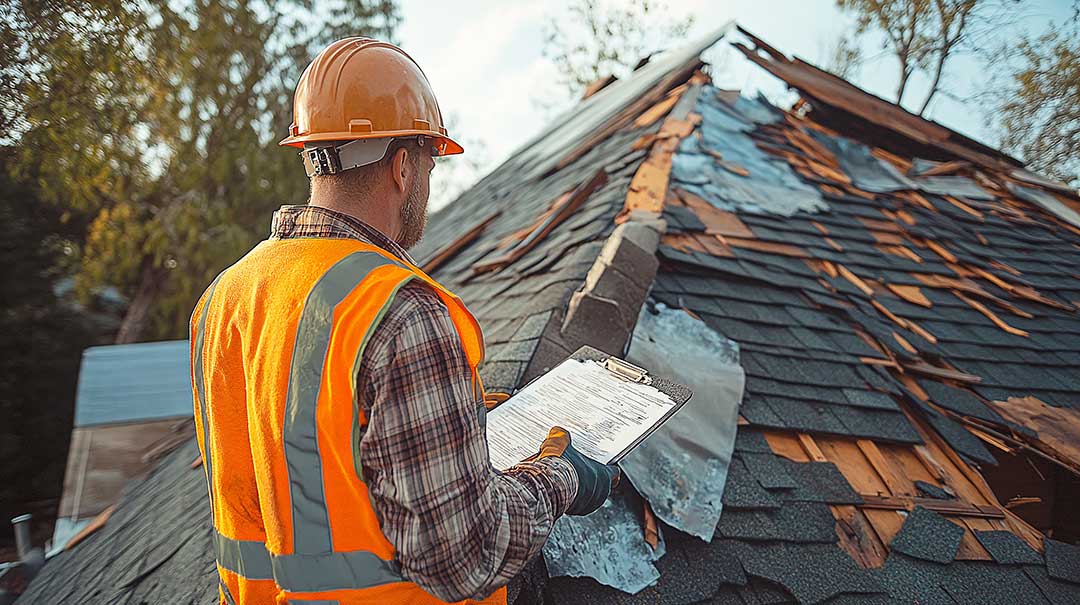
Temporary measures, such as roofing cement, may reduce water entry for a short period, but they do not restore a shingle’s original flexibility or correct underlying ventilation and deck problems. Heavy application of sealant can also make later repairs more difficult.
Matching replacement shingles can be challenging. Color changes from sunlight and weather may make a new shingle noticeably different from the existing roof, even when the original material is identified correctly.
When does curling indicate roof replacement?
Widespread curling, repeated cracking, or damage across multiple roof slopes generally indicates that the roof is approaching the end of its useful service life or has a broader installation problem.
Replacement becomes more likely when:
- The roof is old and several types of wear appear together
- Curling affects many shingles rather than one isolated area
- Granule loss is widespread
- Shingles crack across multiple exposures
- Repairs have become frequent
- The roof deck or underlayment has been affected by moisture
- Leaks occur in more than one location
The visible shingles are only one part of a roofing system. A proper evaluation also considers flashing, valleys, pipe penetrations, underlayment, roof decking, attic ventilation, and drainage.
What should homeowners avoid doing?
Walking on damaged shingles can break them further and loosen nearby materials. It is also hazardous on steep, wet, icy, or snow-covered roofs. Ladders can be especially unstable on uneven ground, frozen surfaces, or sloped driveways.
Avoid pulling up shingles, driving random nails, or covering large areas with sealant without understanding the cause of the damage. These actions can hide evidence of a leak while allowing moisture to continue reaching the roof structure.
From the ground, binoculars can help reveal lifted corners, missing granules, or exposed underlayment without requiring anyone to climb onto the roof.
How can curling and cracking be reduced?
No maintenance routine can prevent normal aging, but several measures may slow avoidable damage:
- Keep gutters and downspouts clear so water does not back up beneath roof edges.
- Trim branches that scrape shingles or drop heavy debris.
- Check the attic periodically for damp insulation, daylight, or frost.
- Make sure bathroom and kitchen exhaust vents discharge outdoors rather than into the attic.
- Watch for ice dams or repeated winter water backup along eaves.
- Inspect the roof after major wind events and before winter weather.
- Keep records of roof installation, repairs, and observed changes.
In East Greenbush, winter snow and ice can conceal damage for weeks, while summer heat can make older shingles brittle. A roof that looks acceptable in one season may reveal lifted edges, exposed fasteners, or water staining after the next major weather change.
The key distinction is whether the damage is isolated or widespread. A few defective shingles may be addressed individually, but broad curling and cracking usually deserve a system-wide evaluation rather than repeated patching.
